

By Michael Agbaji

The Senate Committee on Health has commended the Federal Ministry of Health and asked for national emergency policy on Welfare for accident victims.
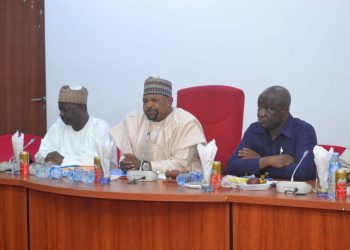
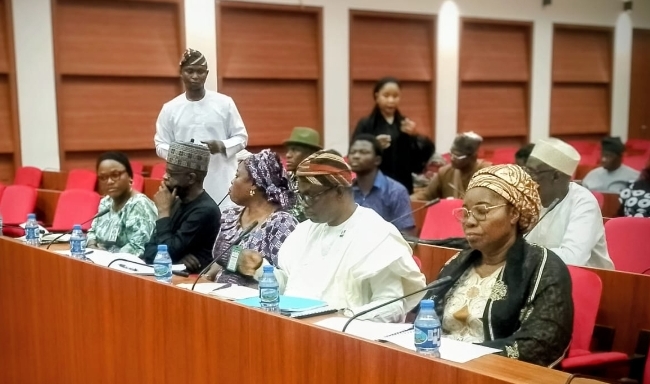
The Senate expressed this on Friday during the ministry’s 2026 budget defence session at the National Assembly, chaired by Senator Dr Ipalibo Harry-Banigo (Rivers West), Chairman of the Senate Committee on Health (Secondary and Tertiary).
Presenting the ministry’s budget proposal, the Minister of State for Health and Social Welfare, Dr Iziaq Adekunle Salako, disclosed that a total sum of about ₦224.3 billion had been proposed for 2026, covering personnel, overheads and capital expenditure. The proposal includes over ₦10 billion for personnel costs, about ₦1.59 billion for overheads, alongside capital allocations and multilateral and bilateral loan components.
Despite what lawmakers described as zero or minimal releases in parts of 2025, the committee noted that the ministry’s presence and interventions were still felt across the country. Senator Harry-Banigo praised the commitment of both the Minister and Minister of State, describing the health ministry as one of the most visible federal institutions nationwide.
However, the committee expressed strong reservations over the prolonged doctors’ strike experienced in 2025, stressing that the nearly three-month disruption of health services had devastating consequences for citizens. Lawmakers warned that such prolonged industrial actions often allow treatable conditions to deteriorate into life-threatening emergencies, urging the ministry to adopt more proactive and urgent mechanisms for resolving labour disputes in the health sector.
Beyond labour issues, senators also raised alarm over the state of emergency medical care in Nigeria. They cited difficulties in accessing timely treatment for road accidents, stroke, snake bites and other medical emergencies, particularly in rural and high-risk areas, and questioned whether existing budgetary provisions were sufficient to save lives.
Responding, Salako assured the committee that the ministry is strengthening systems to guarantee continuity of essential health services, even in the face of recurring doctors’ strikes that has disrupted care delivery nationwide.
He acknowledged the severe impact of industrial actions on patients and the health system, noting that the ministry’s 2026 budget proposals are deliberately structured to safeguard lives, reduce system-wide shock and ensure uninterrupted essential services during labour disputes.
According to him, the ministry is prioritising reforms to strengthen service delivery frameworks, improve coordination across health institutions and expand health insurance coverage to protect Nigerians from disruptions and financial hardship during crises.
He further disclosed that health sector allocation has increased to about six per cent in the 2026 budget from approximately 5.8 per cent in the previous year, describing the rise as modest but indicative of President Bola Tinubu’s continued prioritisation of the health sector despite prevailing economic challenges.
On emergency medical care, the minister identified poor coordination rather than lack of resources as the core challenge. He explained that ambulances owned by federal and state governments, hospitals and private operators currently operate in silos.
According to him, the federal government, through the National Emergency Medical Services and Ambulance System (NEMSAS), is working to integrate all available ambulance resources nationwide to enable faster, unified and more effective emergency responses.
He also assured the Senate of sustained engagement with critical stakeholders in the health sector to prevent prolonged strikes, stressing that protecting lives must remain the overriding priority in resolving industrial dispute.
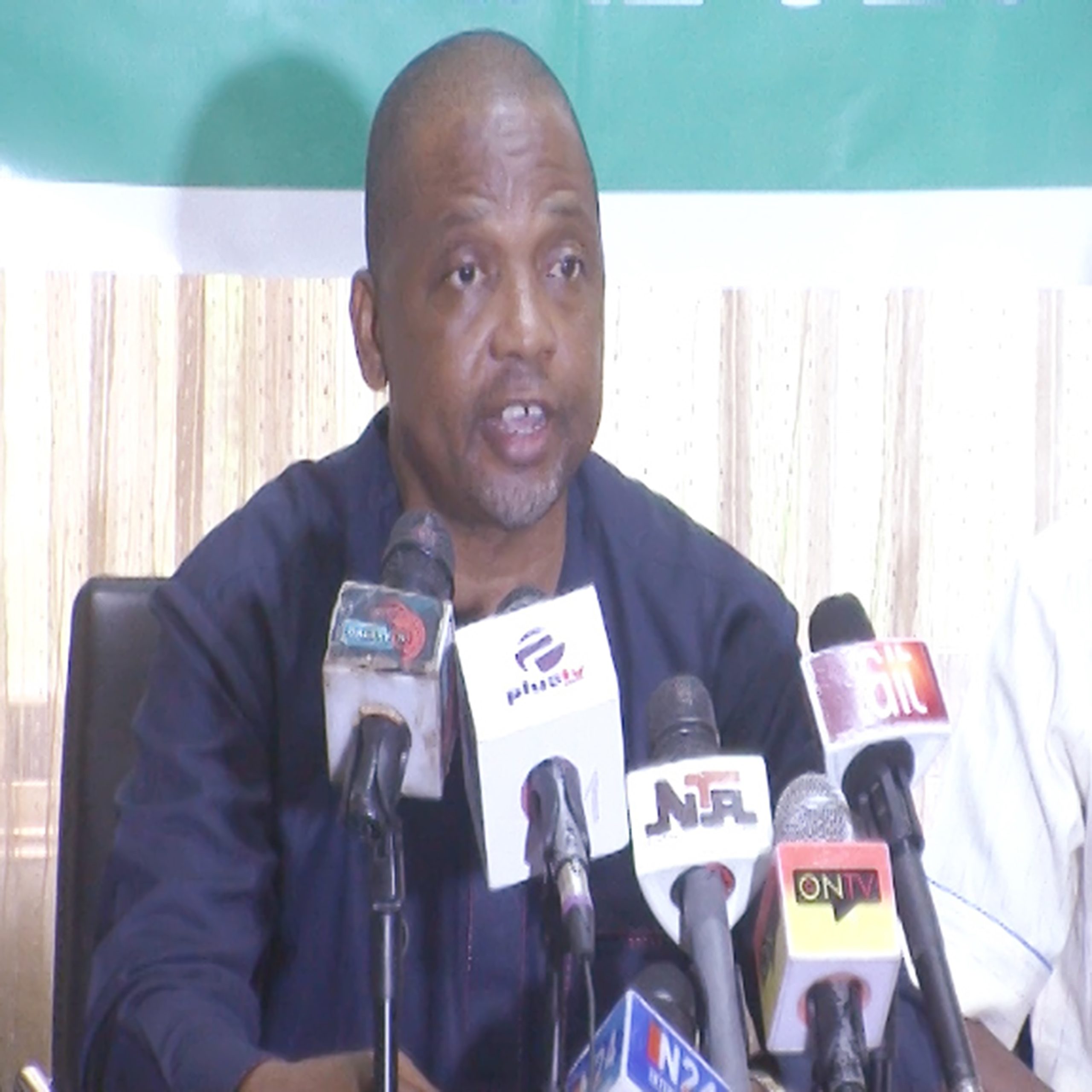
Speaking in an interview with journalists after the budget defence, Salako thanked the Senate for its support, that noting that the 2026 budget aligns with President Bola Tinubu’s agenda on universal health coverage, stronger primary healthcare, expansion of health insurance and continuity of essential services.
He reiterated that while funding constraints remain a challenge, the ministry is focused on improving coordination, preventing prolonged labour disruptions and strengthening emergency response systems to reduce avoidable loss of lives across the country.
In an interview with this reporter after the session, Salako thanked the Senate for its support, noting that the 2026 budget aligns with President Bola Tinubu’s agenda on universal health coverage, stronger primary healthcare, expansion of health insurance and continuity of essential services.
He said the ministry remains focused on improving coordination, preventing prolonged labour disruptions and strengthening emergency response systems to reduce avoidable loss of lives nationwide.
The Senate committee, while commending the ministry’s efforts, reiterated that without improved funding releases, labour stability and coordinated emergency systems, budget defences risk becoming “academic exercises” with limited impact on Nigerians’ health outcomes.