

By Comfort Olayinka

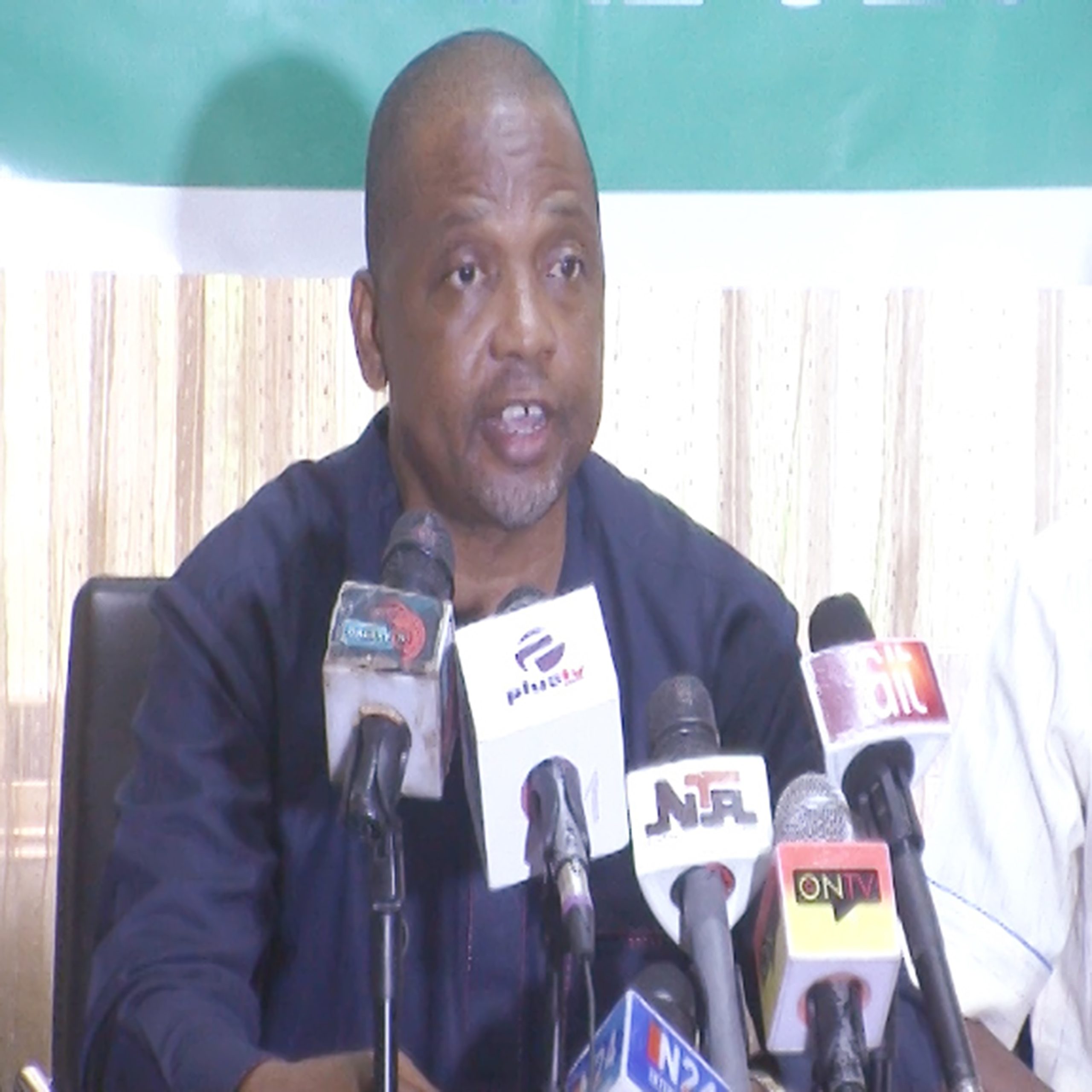
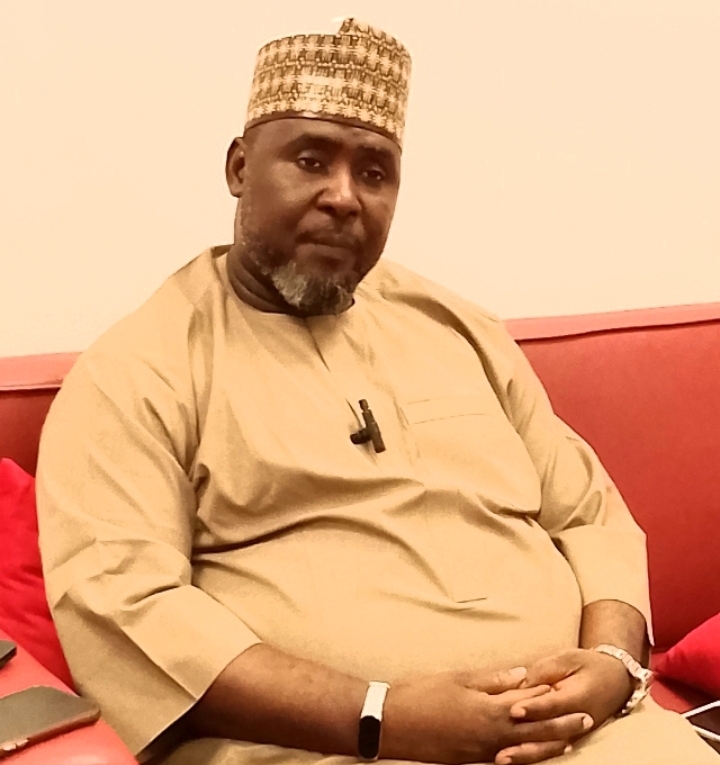
As the year winds down, the Chairman of the Senate Committee on Science and Technology, Senator Iya Abbas, has outlined major strides made in Nigeria’s science and technology sector while acknowledging the challenges facing his committee. Speaking during an end-of-year briefing, Senator Abbas revealed that 2025 came with “promises, electoral activities, the good, the bad, and the ugly,” but affirmed that Nigeria is firmly on the path to technological advancement.
According to him, one of the biggest milestones is President Tinubu’s approval for the nation’s new satellite project under the National Space Research and Development Agency (NASRDA). He described the forthcoming NigerSat satellite as a “game changer” for national security, environmental forecasts, and other strategic sectors. Procurement processes are underway, after which Nigeria will move to deploy the satellite into space.
Senator Abbas also highlighted the National Board for Technology Incubation (NBTI) reforms, revealing that 59 Technology Incubation Centres have been approved across the country—some states hosting two—targeted to become fully operational by 2026. These centres, he noted, will accelerate innovation, support start-ups, and position Nigeria for global competitiveness.
Another major legislative feat is the passage of the Raw Materials Development Bill by both chambers of the National Assembly. The bill, now awaiting presidential assent, will prohibit the export of raw materials without local processing, a move expected to boost industrialisation, create jobs, and empower young people and women.
However, Senator Abbas lamented that inadequate funding remains the biggest obstacle. He cited the non-release of 2024 capital allocations and the stalled 2025 capital budget as challenges affecting not just his committee but the entire nation. “Projects have been initiated, letters of award issued, people are waiting. Once funding is released, Nigerians will start seeing results,” he said.
Reflecting on setbacks in the sector, the senator also referenced leadership changes at the Ministry of Science and Technology earlier in the year, describing them as part of the “ugly” experiences of 2025.
Despite these challenges, Senator Abbas expressed optimism that with improved funding in early 2026, Nigeria’s science and technology revolution will accelerate significantly.
He concluded by reassuring Nigerians that the long-awaited Raw Materials Bill is only pending the President’s signature before becoming law. “We’ve done our part. Once the President signs, it becomes a law in Nigeria,” he said.