

By Michael Agbaji

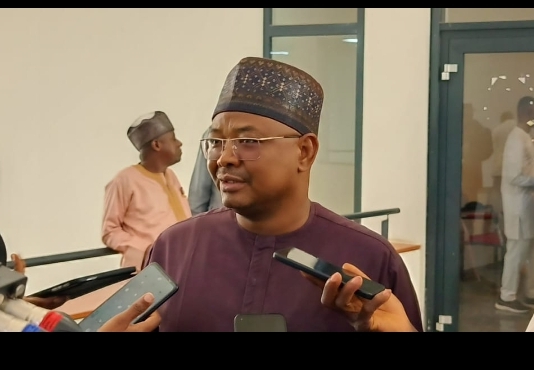
The Chief medical Director of the Federal Medical centre (FMC) Abuja Professor Saad Ahmed says absence personal, electricity supplied has put pressure on Nigeria’s tertiary healthcare system delivery .
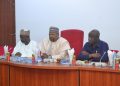
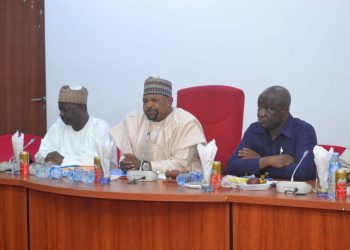
Professor Ahmed stated this on Saturday during an engagement with the Senate Committee on Health, where chief medical directors of federal hospitals defended their 2026 budget proposals.
According to him,at the centre of the crisis, he said, is the ballooning cost of overheads particularly electricity and diesel which now threatens the ability of hospitals to sustain even basic services.
“One major area of challenge we highlighted is overhead cost,” Ahmed told senators. “Electricity and diesel consume a huge portion of our overhead.
We pleaded with the Senate Committee to intervene so hospitals can continue delivering services without grinding to a halt.”
He said,rising energy costs are steadily eroding funds meant for patient care, equipment maintenance and emergency response, placing hospital administrators in constant survival mode.
Beyond finances, Professor Ahmed warned that Nigeria is steadily losing its medical workforce, as worsening global economic conditions and local system pressures drive doctors out of the country.
He explained that the Federal Government is no longer able to retain enough medical doctors to meet national needs, describing the situation as a system-wide crisis affecting federal, state and private hospitals alike.
“This is not a problem limited to state hospitals,” he said. “Federal and private hospitals are equally affected.”
The FMC Abuja boss highlighted housemanship, the mandatory internship period for newly graduated doctors, as a critical pressure point.
He explained that the number of house officers hospitals can absorb is not arbitrary, but strictly tied to available facilities, specialists and training capacity.
“Housemanship is hands-on training before doctors proceed for NYSC,” he said. “But quotas are not like classrooms. They depend on how many consultants, specialists and facilities you have.”
He added that if State governments and private hospitals align more effectively with the central housemanship allocation system, it could ease pressure on federal institutions and expand training opportunities nationwide.
Professor Ahmed also addressed growing public concern over snakebite emergencies, following a recent fatal case that sparked outrage and misinformation on social media.
Responding directly to claims that FMC Abuja lacked anti-snake venom from journalists, the Medical Director offered a detailed account of the incident.
First, he extended condolences to the family of the deceased, before clarifying the medical facts.
“The snake involved was a cobra,” he said. “A cobra is one of the most poisonous snakes we know, and in such cases, time is absolutely critical.”
According to him, the patient arrived at FMC Abuja more than two hours after being bitten, by which time the venom had already spread systemically.
“Contrary to what was circulated on social media, we had anti-snake venom,” Ahmed stated. “Two doses were promptly administered, one immediately, followed by another.”
Despite the intervention, he explained, the delay before presentation drastically reduced the effectiveness of the treatment.
“If she had presented within 10 to 15 minutes, anti-venom is usually most effective,” he said. “Unfortunately, the venom had already gone systemic.”
Professor Ahmed stressed that all emergency protocols were followed, staff were fully on ground, and the hospital’s emergency services were functioning optimally.
“For FMC Abuja, we had anti-snake venom fully stocked. Emergency services were top-notch, and the patient was attended to promptly when she arrived,” he said.
He described the incident as a sobering reminder of how critical early access to care is, especially in venomous snakebite cases, and urged the public to seek immediate medical attention rather than delay.
While acknowledging that not all hospitals may be adequately prepared for such emergencies, he insisted that FMC Abuja remains fully equipped and responsive.
As budget talks continue at the National Assembly, Professor Ahmed’s presentation painted a stark picture: federal hospitals are battling on multiple fronts, rising operational costs, shrinking manpower, public misinformation and the unforgiving race against time in emergencies.
His message to Lawmakers was clear without urgent structural support, funding stability and workforce retention strategies, even the best-equipped hospitals may struggle to save lives when it matters most.