

By David Okoh

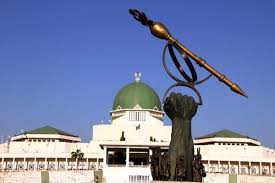
The House of Representatives has approved N21.52bn for the Federal Ministry of Steel Development and its agencies in the 2026 fiscal year, declaring an emergency over the deteriorating state of the National Iron Ore Mining Company, Itakpe, and the Ajaokuta Steel Company Limited.
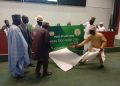
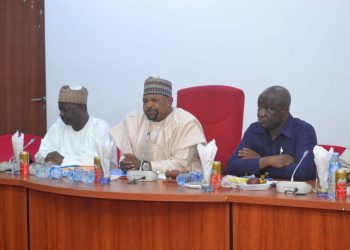
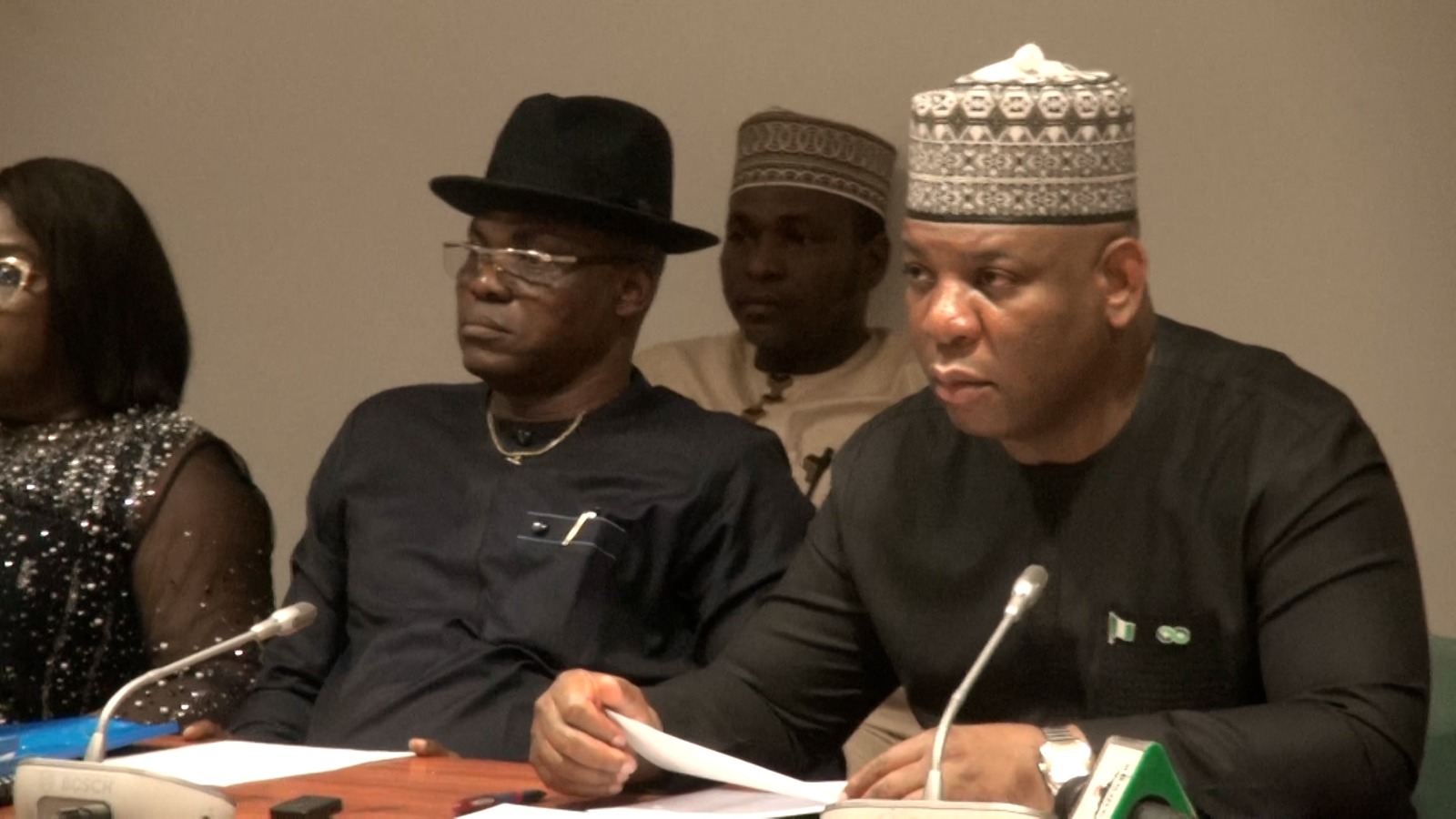
Lawmakers described conditions at both facilities as urgent and unacceptable during a budget defence session on Thursday, stressing that the assets remain too strategic to Nigeria’s industrialisation drive to be allowed to fail.
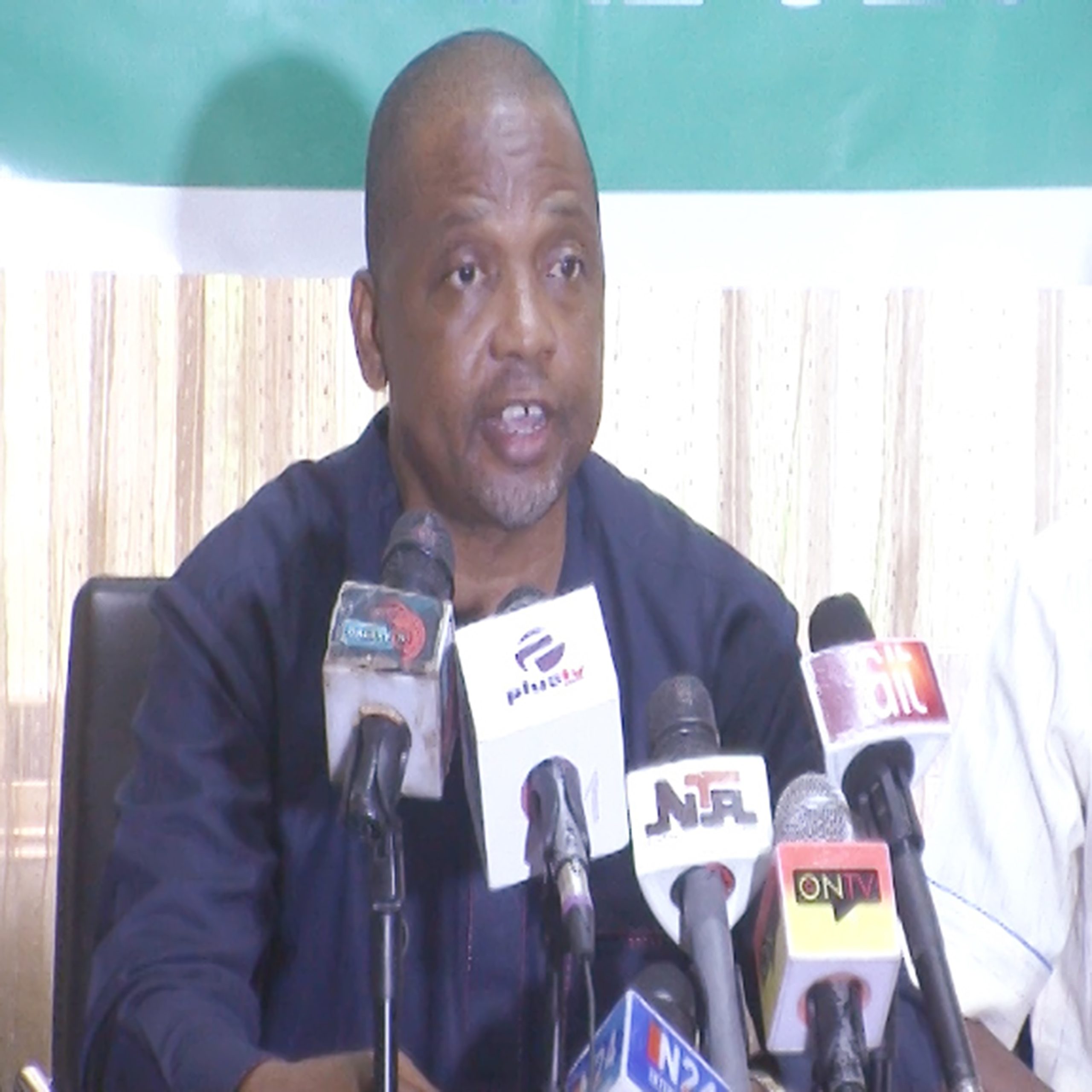
Chairman of the House Committee on Steel Development, Hon. Zainab Gimba, said the committee’s approval was in the national interest but warned that decisive and coordinated action was required to halt further deterioration.
The approved allocation covers N5.4bn for the ministry’s headquarters; N2.66bn for the Raw Materials Research and Development Council; N1.83bn for the National Metallurgical Development Centre; N1.03bn for the Metallurgical Training Institute; and N8m for the National Steel Council.
Capital expenditure accounts for 73 per cent of the headquarters’ budget, amounting to about N4.1bn. However, lawmakers expressed concern that of the N8.94bn appropriated for 2025, only N2.53bn had been released, with zero capital disbursement — a development they warned could derail efforts to revitalise Ajaokuta and Itakpe.
The committee also raised alarm over illegal mining and vandalism at Itakpe, alleging that gold prospectors had encroached on the facility.
Minister of Steel Development, Shuaibu Audu, acknowledged the security and funding challenges, noting that government was pursuing private sector financing for Ajaokuta’s revival following setbacks to a 2024 Memorandum of Understanding with a Russian firm due to sanctions linked to the Russia-Ukraine war.
He disclosed that Nigeria currently produces between one and two million metric tonnes of steel annually against a demand of seven to 10 million metric tonnes, leaving a supply gap that fuels about $4bn in yearly imports.
While no clear timeline was given for the plants’ revival, the committee insisted that future agreements be shared with the National Assembly at inception to enhance transparency and oversight.