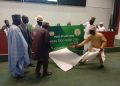


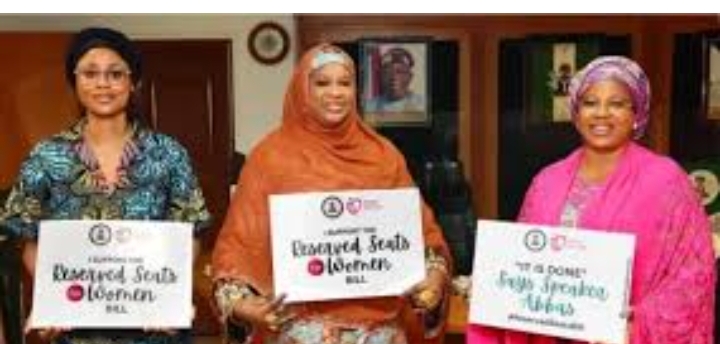
Media professionals have been urged to adopt responsible, gender-sensitive reporting as Nigeria intensifies debate on the proposed constitutional amendment seeking reserved seats for women in parliament.

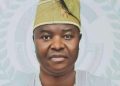
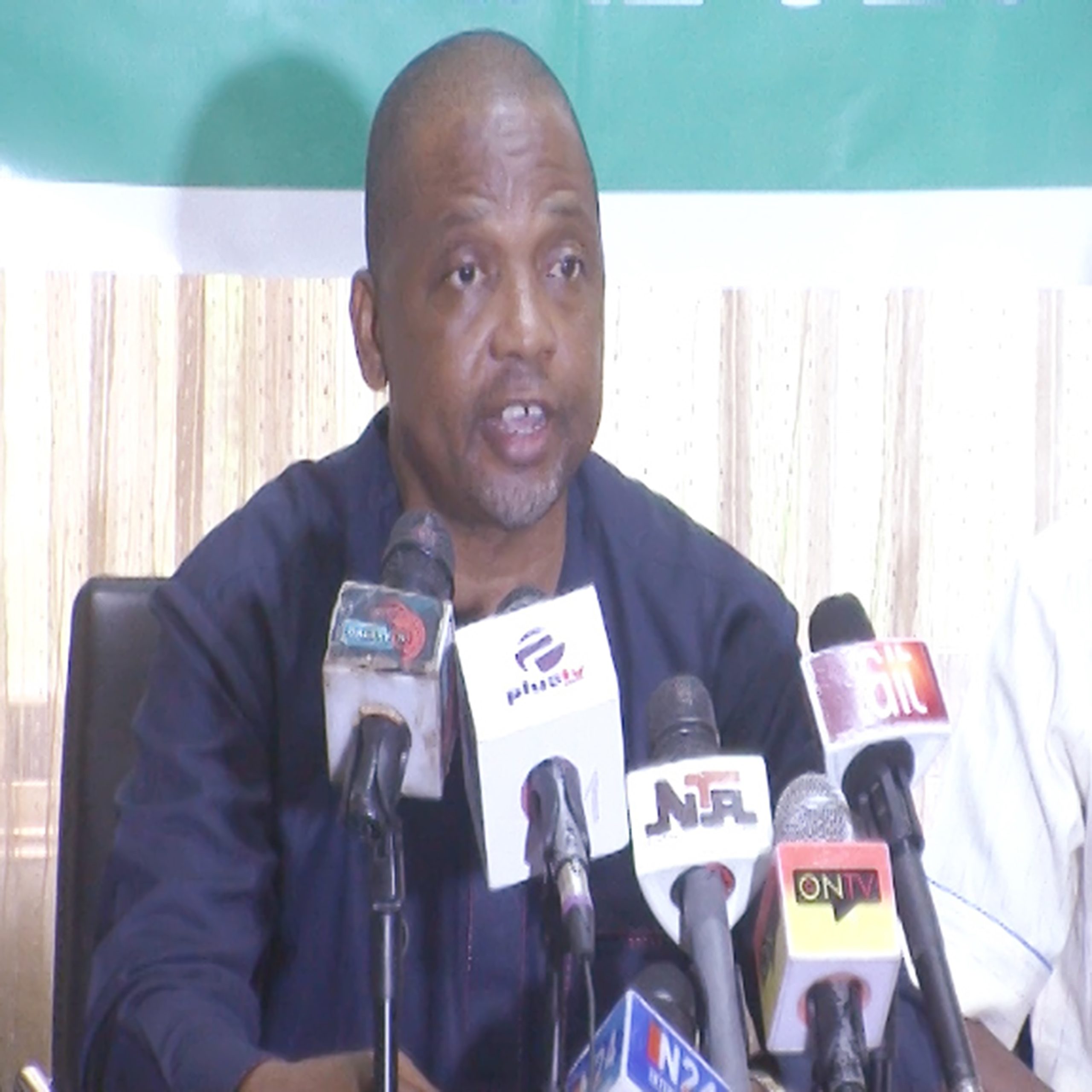
Speaking at a capacity-building workshop in Abuja, Dr. Samson Ajah, a political governance expert, clarified that the proposed reserved seats would still be filled through competitive elections. “These are not appointments. Women will campaign, canvass, and compete just like men,” he said, stressing that the reform aims to level the political playing field—not bypass it.
Dr. Ajah cited global evidence showing that women legislators often drive policies that strengthen healthcare, education, welfare, and grassroots development—areas he noted are sometimes neglected in male-dominated assemblies. He also underscored the crucial role women play in peace-building and community conflict resolution.
Another facilitator, Dr. Adaora Sydney-Jack, highlighted the media’s pivotal influence in shaping public attitudes toward the reform. She cautioned journalists against portraying women as passive beneficiaries of political charity. Instead, she urged newsrooms to focus on competence, leadership, policy track record and measurable achievements.
Using examples from Rwanda, Senegal, and Tanzania—countries where reserved seats have significantly expanded women’s political participation—Sydney-Jack argued that gender-aware reporting is key to normalising female leadership in African politics.
The training featured a headline reframing exercise demonstrating how subtle choices can reshape narratives. A generic headline such as “Woman Emerges Party Candidate” was reworked into “Education Advocate Wins Party Primary After Policy-Focused Campaign,” shifting the emphasis from gender to merit.
With the proposed amendment expected to generate tensions as it moves through the legislative process, participants were urged to prioritise fact-checking, maintain editorial independence, and guard against sponsored narratives or coordinated smear campaigns. Facilitators also encouraged reporters to ask substantive, policy-based questions rather than gendered or condescending ones during interviews.
“Reserved seats can either be symbolic or truly transformative,” the facilitators noted. “The media’s framing will play a defining role in determining which direction Nigeria takes.”
Journalists were reminded that the stories they tell will help shape national perception—whether Nigerians view the proposal as a step toward fairness and representation or misinterpret it as political benevolence.