
























By Michael Agbaji

The National Assembly on Thursday commended the steady growth of Nigeria’s communications sector as the Nigerian Communications Commission (NCC) presented its proposed ₦472 billion budget for the 2026 fiscal year.
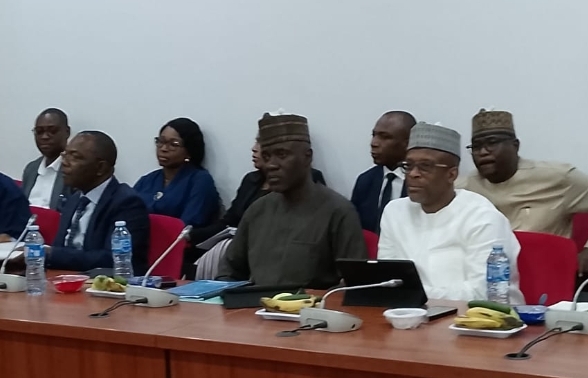
The commendation was made during a joint budget defence session of the Senate and House of Representatives Committees on Communications, where lawmakers also raised concerns over service quality across the country and the utilisation of previously approved funds.
The session was chaired by Senator Ikra Aliyu Bilbis, Chairman of the Senate Committee on Communications, alongside the Chairman of the House Committee on Communications, Honourable Akeem Adeniyi Adeyemi.
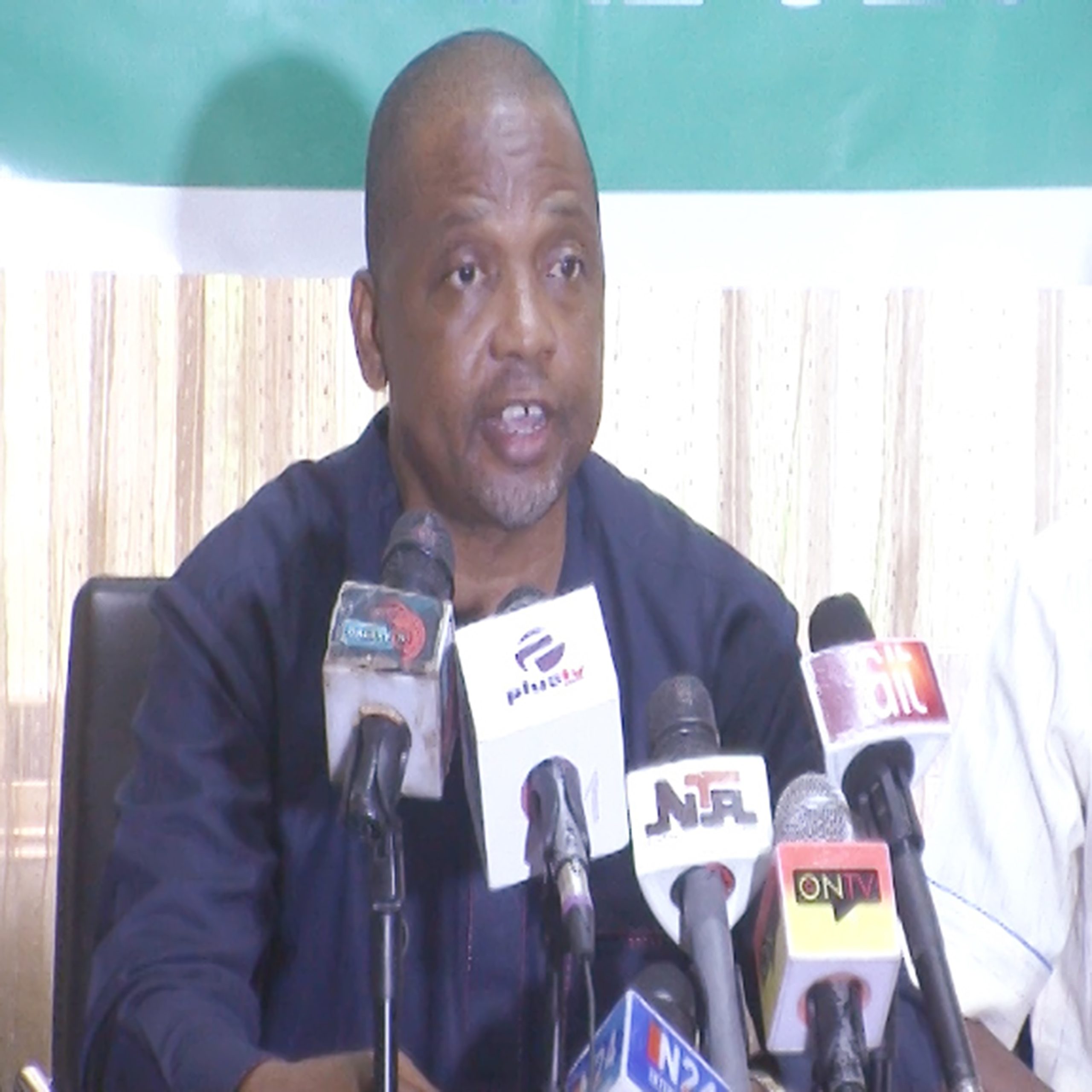
Presenting the Commission’s proposal, the Executive Vice Chairman and Chief Executive Officer of the NCC, Aminu Maida, said the Commission is proposing a total expenditure of ₦472 billion for the 2026 fiscal year in line with the 2026–2028 Medium Term Expenditure Framework.
Maida, who was represented by the Commission’s Head of Finance, Mr. James Kalu, explained that Nigeria’s telecommunications sector recorded a growth rate of 5.17 per cent in 2025, maintaining its position as one of the most resilient contributors to the nation’s Gross Domestic Product.
He attributed the sector’s performance to sustained infrastructure expansion and the increasing demand for digital services across the country.
According to him, regulatory interventions and investments by telecom operators led to the deployment and upgrade of about 2,800 telecom sites nationwide in 2025, significantly boosting network capacity and expanding broadband penetration by six per cent to about 50 per cent nationwide.
The Commission also reported improvements in internet performance indicators during the period, with average data speeds rising by about 24 per cent, from roughly 16 megabits per second to about 20 megabits per second.
While acknowledging the sector’s progress, lawmakers expressed concern over persistent service quality challenges in several parts of the country, including the Federal Capital Territory, Abuja.
They urged the Commission to strengthen regulatory oversight to ensure Nigerians have access to reliable and affordable telecommunications services.
Members of the committees also examined the Commission’s financial performance, pointing to discrepancies between approved budgets and actual spending in the previous fiscal year.
According to lawmakers, ₦95 billion approved for recurrent expenditure in 2025 recorded about ₦73 billion in actual utilisation, while only about ₦7 billion out of the ₦10 billion allocated for capital projects was expended.
Despite these concerns, the committees commended the NCC for its strong revenue contribution to the Federal Government.
The Commission had projected ₦30 billion in remittances to the Consolidated Revenue Fund in 2025 but ultimately remitted ₦102 billion, significantly exceeding its target.
For the 2026 fiscal year, the Commission proposed ₦424 billion for recurrent expenditure and ₦15 billion for capital and special projects.
It also projected that ₦207 billion would be remitted to the Federal Government, while ₦20 billion would be transferred to the Universal Service Provision Fund to support telecommunications infrastructure expansion in rural and underserved communities.
Beyond the financial proposals, lawmakers requested further clarification on the Commission’s long-term digital development strategy, including its 2036 industry roadmap, spectrum management plans, Right-of-Way framework, and data retention policies.
In response, the NCC assured the National Assembly of its continued commitment to strengthening regulatory compliance, enhancing consumer protection, and expanding telecommunications infrastructure in line with Nigeria’s broader digital transformation agenda.