


















By Michael Agbaji

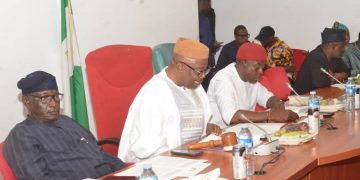
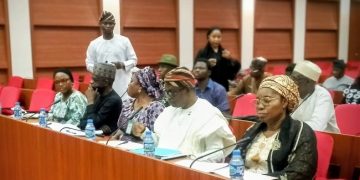
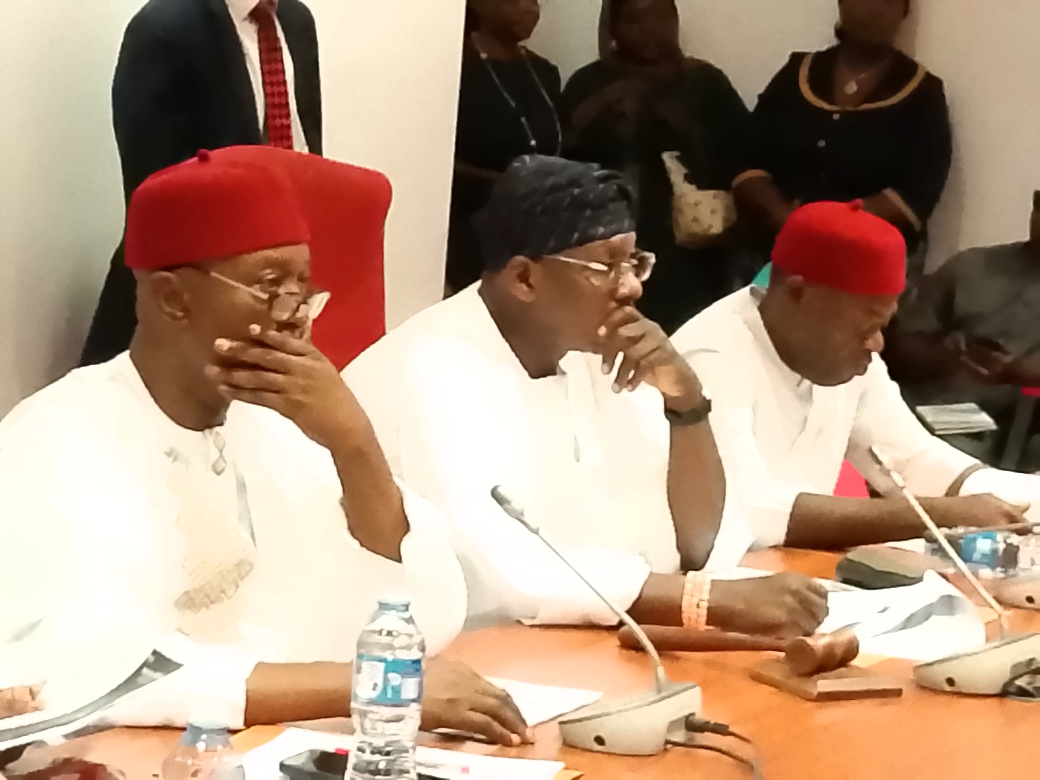
The Senate Committee on Environment has commenced the budget defence of the Federal Ministry of Environment as part of legislative consideration of the 2026 Appropriation Bill currently before the Nigerian Senate.
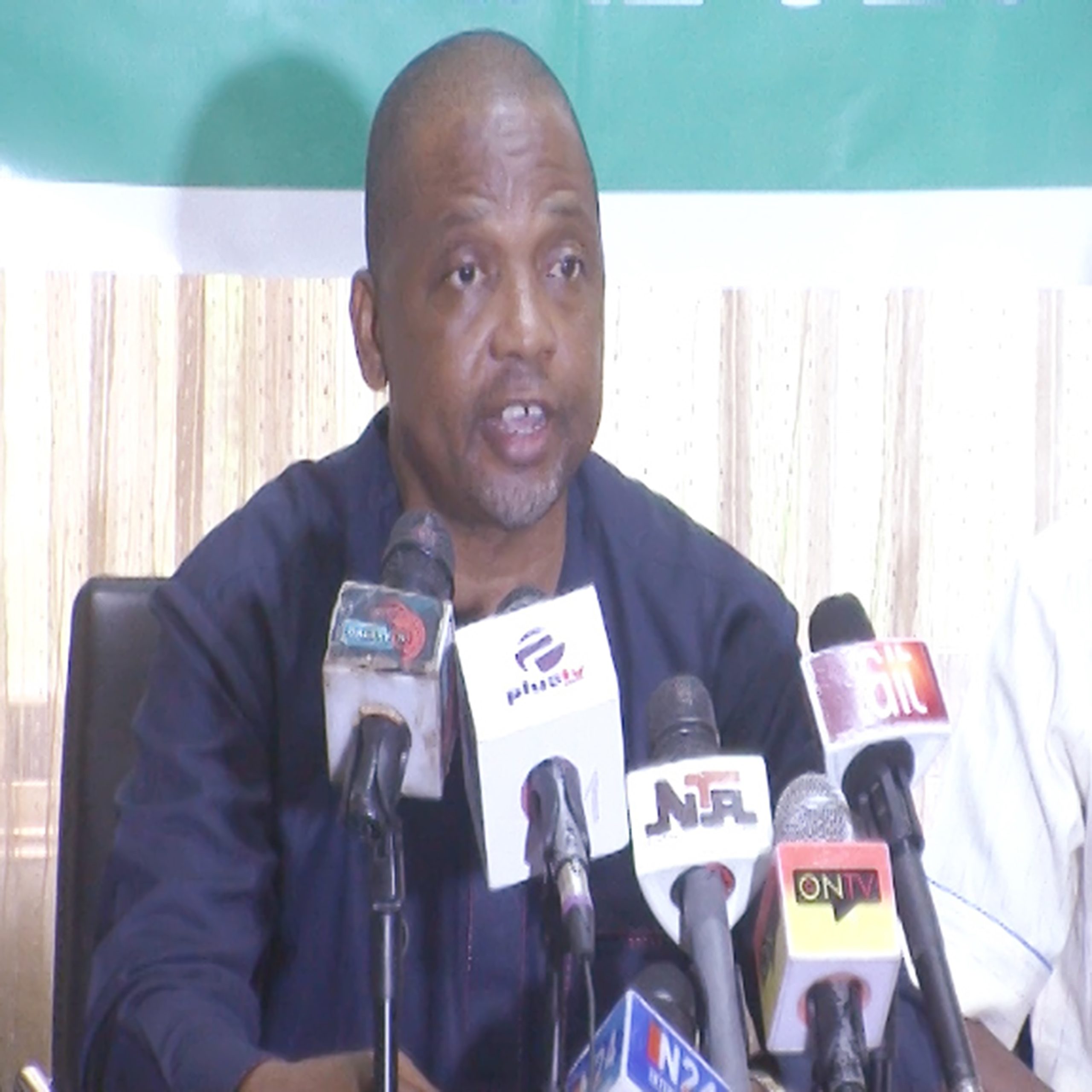
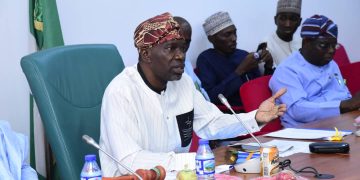
Speaking during the session, Chairman of the Committee, Senator Olubiyi Fadeyi, underscored the strategic importance of environmental sustainability to national health, economic stability, and security. He noted that protecting Nigeria’s environment remains fundamental to the country’s long-term development aspirations.
Senator Fadeyi expressed concern over the persistent underfunding of the Ministry and its agencies, particularly amid growing environmental challenges such as oil pollution, erosion, coastal flooding, deforestation, biodiversity loss, environmental degradation, and remediation demands.
The lawmaker observed that although the 2025 recurrent budget recorded appreciable performance, capital releases were significantly constrained, with warrants issued without corresponding cash backing for major projects.
According to the Ministry’s presentation, the 2026 budget proposal stands at ₦65.96 billion, largely a rollover of the 2025 allocation in line with directives from the Budget Office of the Federation.
However, a substantial portion of the proposed capital allocation is tied to ongoing externally supported programmes, including the Agro-Climatic Resilience in Semi-Arid Landscapes (ACReSAL) project, leaving limited resources to address other pressing environmental priorities.
Senator Fadeyi reiterated the need for improved funding mechanisms and appealed for the consideration of a Special Intervention Fund to strengthen the Ministry’s capacity to effectively deliver on its mandate. He also emphasized the importance of meeting Nigeria’s climate-related financial commitments to unlock international climate finance opportunities and strengthen global environmental partnerships.
In his remarks, the Minister of Environment, Hon. Balarabe Abbas Lawal, highlighted key interventions undertaken by the Ministry. These include flood and erosion control projects, provision of solar-powered boreholes, renewable energy initiatives, implementation of the Clean Cooking Policy, forest conservation efforts, and strengthened collaboration with relevant ministries and stakeholders.
“I can confidently say that a large number of population, particularly around the coastal areas, have disappeared because of the rising sea levels. We need to do more in that area,” the Minister stated.
He further explained that the Clean Cooking Policy aims to reduce deforestation, address health concerns arising from indoor air pollution, and improve the well-being of rural households.
“When a woman goes into the kitchen and cooks for a family of three to five, you find that she inhales a lot of smoke. From what we have heard from doctors, it is equivalent to smoking three packets of cigarettes. We have seen cases of lung cancer from rural areas among people who have never seen cigarettes in their lives. That is why we took this policy to the Council,” Lawal added.
The Committee Chairman assured the Ministry of continued legislative support while reaffirming the Committee’s commitment to transparency, accountability, and diligent oversight to ensure that appropriated funds are effectively utilised for the benefit of Nigerians.
“The Senate Committee on Environment remains resolute in working collaboratively with the Executive to achieve a cleaner, safer, and more sustainable Nigeria,” Senator Fadeyi said.