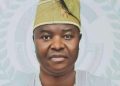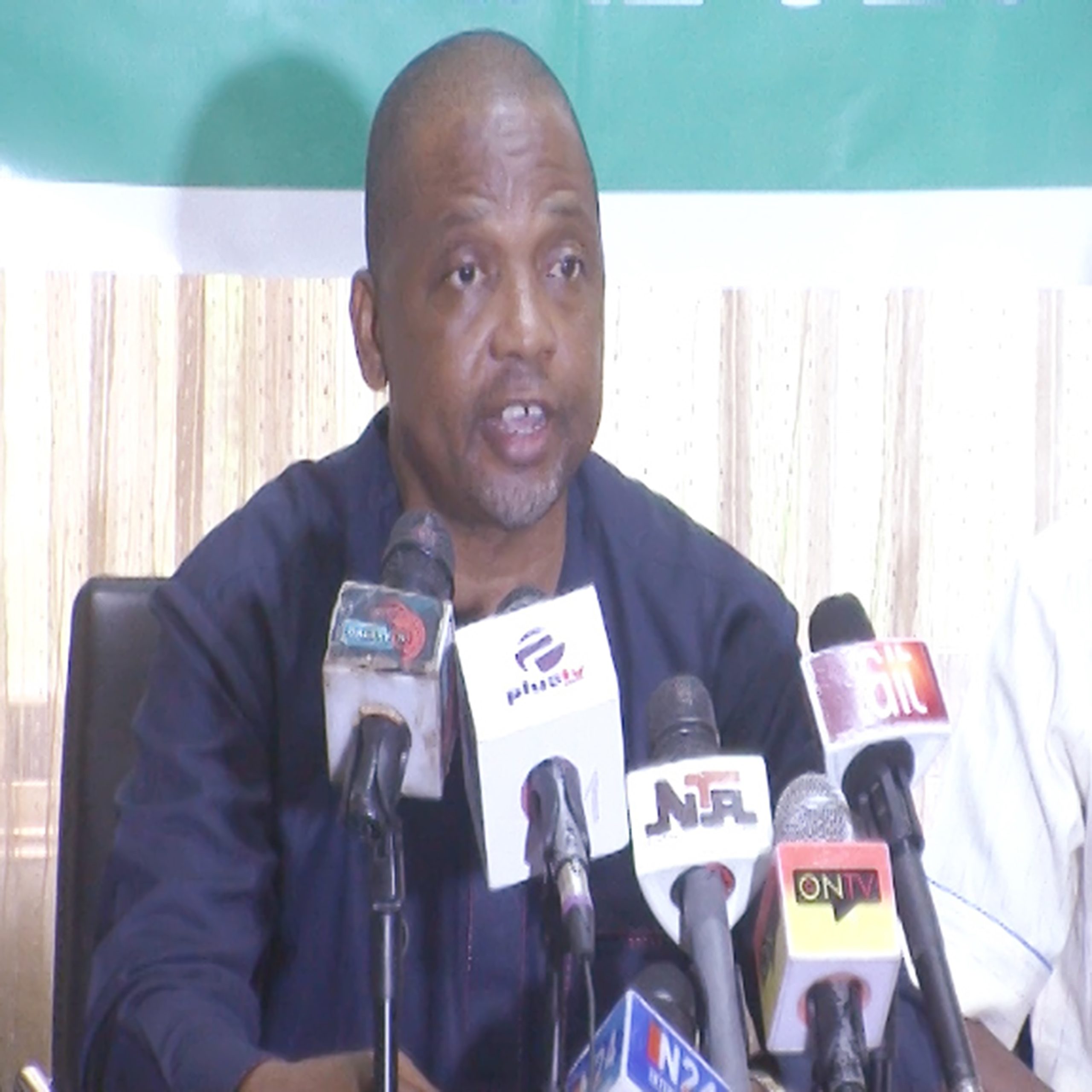


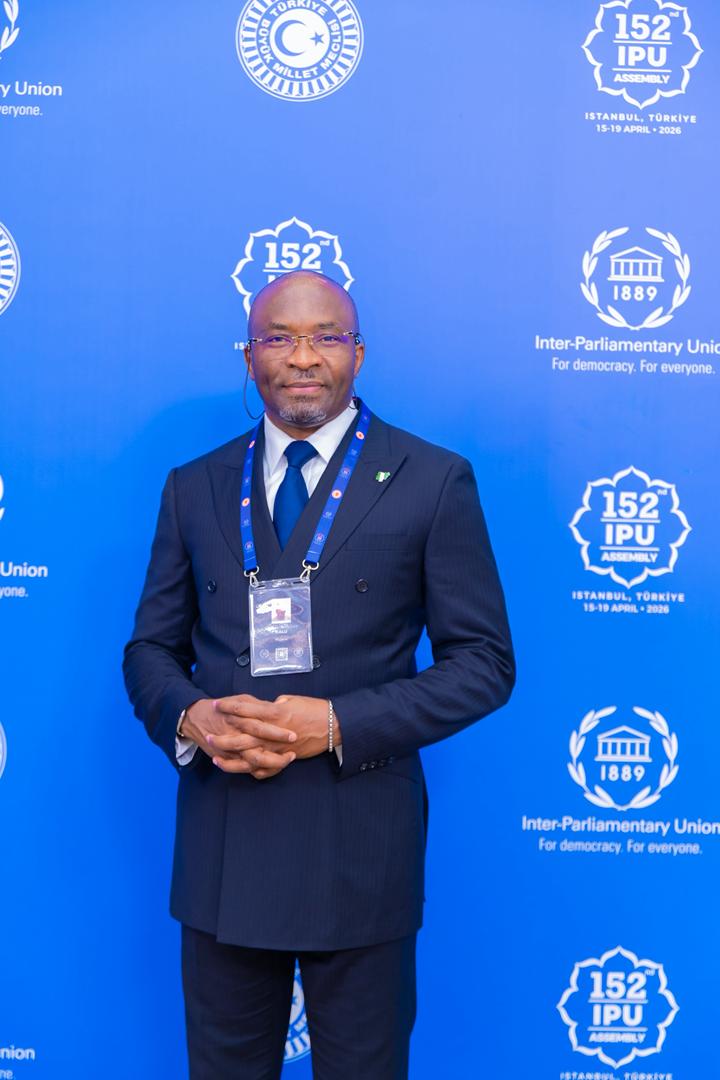
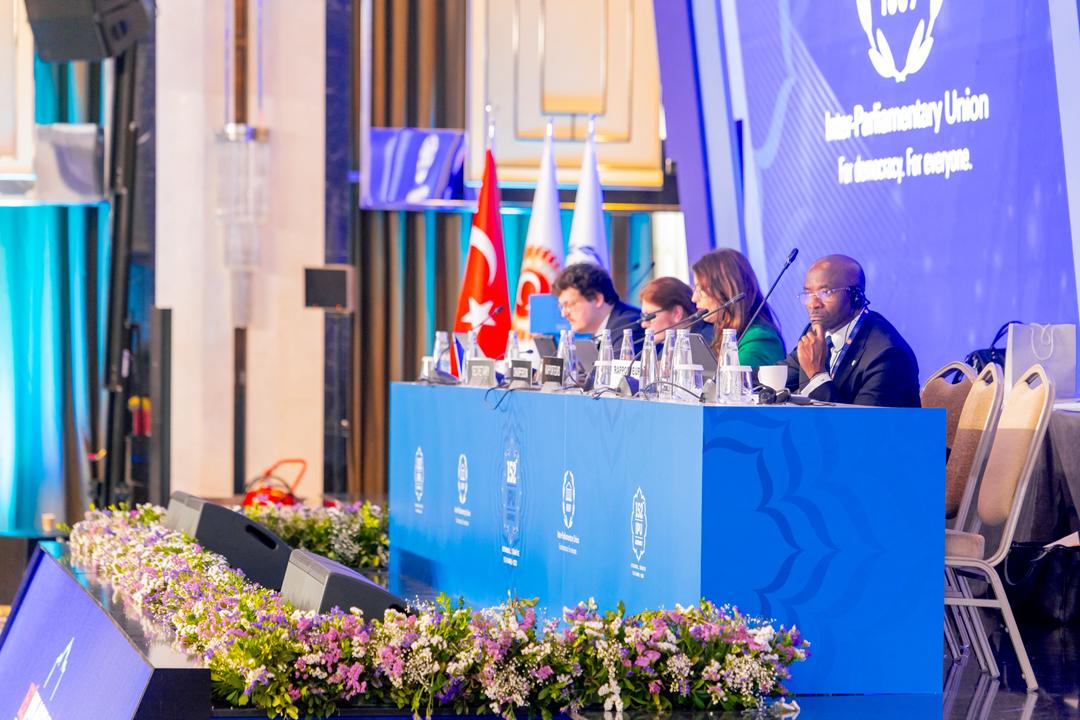
Nigeria’s Deputy Speaker of the House of Representatives, Rt. Hon. Benjamin Okezie Kalu, PhD, CFR, on Thursday spearheaded the adoption of a landmark resolution on post-conflict recovery at the 152nd Inter-Parliamentary Union (IPU) Assembly in Istanbul, Turkey, placing global parliaments at the centre of building just and lasting peace in war-torn and conflict-affected nations.

Serving as co-rapporteur alongside Mr. A. Al-Zu’bi of Jordan and Ms. F. Belhirch of the Netherlands, Kalu, who also sits on the 12-member IPU Steering Committee overseeing the World Trade Organization, presented the draft resolution on “The Role of Parliaments in Establishing Robust Post-Conflict Management Mechanisms and Restoring a Just and Lasting Peace” at the Assembly.
The adoption of the resolution signals growing international recognition that sustainable peace requires strong, inclusive, and accountable parliamentary institutions to guide nations through the complex transition from conflict to stability.
Five-Pillar Framework for Recovery
The historic document commits parliaments worldwide to a comprehensive five-pillar framework for post-conflict recovery. These pillars encompass strengthened institutions, equitable economic reconstruction, social reconciliation, inclusive political life, and sustained international support.
The resolution underscores human security and common security as key principles for achieving just, lasting, and inclusive peace. It emphasizes people-centred and preventive approaches that address the root causes of conflict while advancing trust, dignity, and resilience among affected populations.
Stressing the core principle of the resolution, Kalu reaffirmed that post-conflict recovery must be nationally led and owned. He urged parliaments to guide recovery through holistic frameworks that ensure reconstruction strategies, legal reforms, and institutional strengthening are designed and approved via inclusive national processes.
Kalu’s Address to the Assembly
Addressing the global parliamentary gathering, Kalu delivered a powerful message on the imperative of national ownership in peace processes.
“The 152nd Assembly of the Inter-Parliamentary Union urges Parliaments in countries affected by or emerging from conflict to ensure strong national ownership of peace and recovery processes by leading inclusive nationwide consultations, defining priorities through democratic deliberation and legislation, and ensuring that any external support is adapted to local needs, constitutional frameworks and international human rights obligations,” Kalu stated.
The Deputy Speaker further elaborated on the legislative responsibilities of parliaments in implementing peace agreements.
“Parliaments responsible for implementing peace agreements are called upon to give full legal effect to their provisions by incorporating them into national legislation, establishing clear implementation requirements, and creating permanent, cross-party mechanisms to regularly review progress,” he said.
He emphasized that these mechanisms should include hearings with relevant actors, such as women and youth groups and representatives of affected communities, to coordinate parliamentary follow-up, ensure continuity, identify gaps early, and uphold commitments across political cycles.
Transitional Justice and Accountability
The resolution places significant emphasis on addressing the legacies of conflict through comprehensive transitional justice frameworks.
Kalu urged parliaments to establish national transitional justice frameworks by adopting legislation that enables truth-seeking processes, victim-centred reparations, and fair and transparent vetting or amnesty procedures, as well as effective cooperation with national and international accountability mechanisms.
“This ensures that justice, recognition of past harms and institutional reform form an integral part of sustainable peace,” he explained.
The document also encourages parliaments to consider lawful mechanisms to facilitate reparations for victims and mobilize resources for reconstruction, including the use of frozen or otherwise immobilized assets where lawful.
Inclusive Participation and International Cooperation
Beyond national ownership, the resolution charges parliaments in countries affected by or emerging from conflict to lead inclusive nationwide consultations and ensure external support adapts to local needs, constitutional frameworks, and international human rights obligations.
Through the IPU resolution, Kalu urged parliaments to encourage the use of human security approaches in legislative, oversight, budgetary, and representation functions.
The document encourages parliaments to rebalance national and international budgetary priorities in favour of peacebuilding and prevention, prioritize conflict-affected populations in reconstruction and financing, and strengthen transparency and anti-corruption safeguards in recovery funds.
Social Reconciliation and Community Healing
The resolution further charges parliaments to support national and community-level reconciliation through inclusive dialogue and trauma-informed initiatives. It calls for the promotion of local dialogue processes that bring together communities and former adversaries to foster healing and mutual understanding.
A critical component of the framework is the institutionalization of the full, equal, and meaningful participation of women and youth across all peace and dialogue processes in line with UN Security Council resolutions 1325 and 2250.
The resolution also asks parliaments to strengthen inclusive political participation by ensuring all affected communities are represented in legislative deliberations and to foster constructive political dialogue through cross-party platforms.
Strengthening International Support
The document calls for enhanced collaboration between parliaments, governments, regional organizations, the IPU, and the United Nations to strengthen international support and funding for peace agreements.
It requests that the IPU provide targeted technical assistance to parliaments engaged in post-conflict recovery, including advisory missions, capacity-building, peer-learning, and support in mediation and conflict prevention.
Significance of the Resolution
The adoption of this resolution represents a significant milestone in the IPU’s efforts to position parliaments as central actors in post-conflict recovery. By establishing a clear framework for parliamentary engagement, the resolution provides practical guidance for legislators in conflict-affected countries seeking to rebuild their nations.
Kalu’s role as co-rapporteur and his leadership in steering the resolution through the Assembly highlight Nigeria’s growing influence in international parliamentary diplomacy and peacebuilding efforts. His position on the IPU Steering Committee overseeing the World Trade Organization further underscores the intersection of economic governance and peacebuilding in the global agenda.
The resolution’s emphasis on nationally led processes, combined with international support, reflects a nuanced understanding of post-conflict dynamics that balances local ownership with global solidarity. As conflicts continue to affect millions worldwide, this framework offers a roadmap for parliaments to contribute meaningfully to sustainable peace and recovery.
See more thrilling news stories HERE